

Hey there! As a cushion material supplier, I often get asked about anti - pilling cushion materials. So, I thought I'd write this blog to share some insights on what these materials are and why they're a great choice for various applications.
First off, let's talk about what pilling is. Pilling occurs when fibers in a material break, tangle together, and form small balls on the surface. This not only makes the material look shabby but can also affect its performance and comfort. Anti - pilling materials are designed to resist this process, keeping the cushion looking and feeling great for a long time.
Synthetic Fibers: The Reliable Option
One of the most popular types of anti - pilling cushion materials is synthetic fibers. Polyester, for example, is a go - to material in the cushion industry. It's strong, durable, and has excellent resistance to pilling. Polyester fibers are tightly woven or knitted, which reduces the chances of individual fibers breaking loose and forming pills.
Another synthetic fiber, nylon, also offers good anti - pilling properties. Nylon is known for its high strength and abrasion resistance. When used in cushions, it can withstand a lot of wear and tear without pilling. These synthetic fibers are also easy to clean, which is a big plus for cushions that are likely to get dirty.
Blended Fabrics: The Best of Both Worlds
Blended fabrics are another excellent choice for anti - pilling cushions. By combining different fibers, manufacturers can create a material that has the best properties of each. For instance, a blend of polyester and cotton can offer the softness of cotton with the anti - pilling properties of polyester.
The ratio of the fibers in the blend is crucial. A higher percentage of synthetic fibers will generally result in better anti - pilling performance. However, too much synthetic fiber can make the cushion feel less breathable. So, finding the right balance is key. Many customers prefer these blended fabrics because they offer a comfortable and long - lasting solution.
Treatment - Enhanced Materials
Some cushion materials are treated with special chemicals or finishes to improve their anti - pilling performance. These treatments can help to strengthen the fibers and prevent them from breaking easily. For example, some fabrics are treated with a resin that coats the fibers, making them more resistant to abrasion.
However, it's important to note that these treatments may wear off over time, especially with frequent washing or use. So, it's a good idea to follow the manufacturer's care instructions to maintain the anti - pilling properties of these treated materials.
Applications of Anti - Pilling Cushion Materials
Anti - pilling cushion materials have a wide range of applications. In the home, they're perfect for sofas, chairs, and decorative pillows. Because they resist pilling, these cushions will look new and fresh for a long time, even with regular use. In commercial settings, such as hotels, restaurants, and offices, anti - pilling cushions are also a great choice. They can withstand the high traffic and heavy use that these environments often experience.
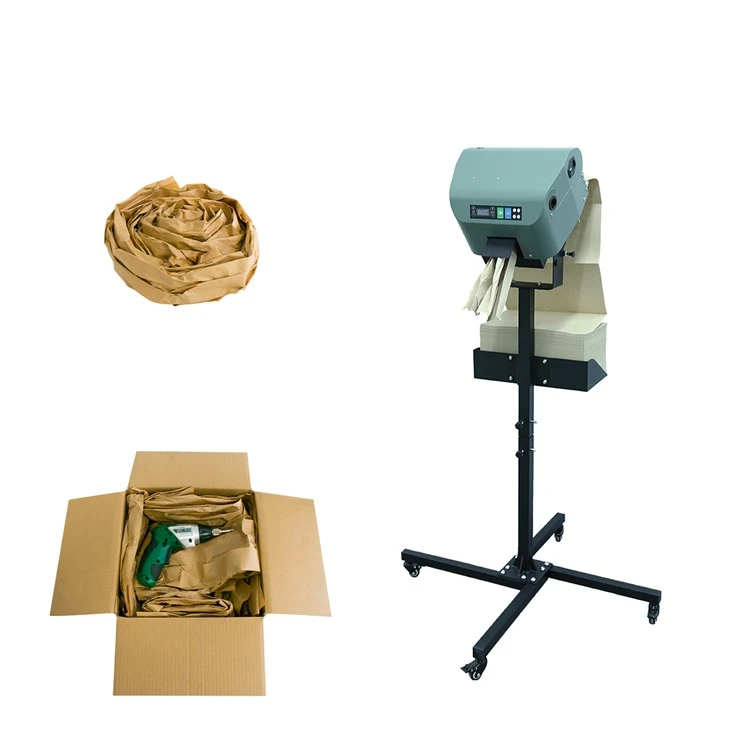
Now, I'd like to mention some of the machines that are used in the production of paper - based cushioning materials. If you're interested in the machinery side of things, check out these links:
- Paper Filling Cushion Packaging Machine
- Kraft Paper Cushioning Wrapping Machine
- Paper Bubble Wrap Machine
Why Choose Our Anti - Pilling Cushion Materials
As a supplier, we take pride in offering high - quality anti - pilling cushion materials. We source our materials from trusted manufacturers and ensure that they meet strict quality standards. Our materials come in a variety of colors, textures, and patterns, so you can find the perfect match for your needs.
Whether you're a furniture manufacturer looking for materials for mass production or a homeowner looking to replace your old cushions, we've got you covered. We offer competitive prices and excellent customer service. We can also provide samples so you can see and feel the quality of our materials before you make a decision.
How to Choose the Right Anti - Pilling Cushion Material
When choosing an anti - pilling cushion material, there are a few things to consider. First, think about the intended use of the cushion. If it's for a high - traffic area, you'll want a more durable material. Second, consider the aesthetic. Do you want a soft, plush look or a more textured appearance?
Also, pay attention to the care instructions. Some materials may require special cleaning methods to maintain their anti - pilling properties. Finally, make sure to choose a material that fits your budget. With so many options available, you're sure to find the right anti - pilling cushion material for your needs.
Maintenance Tips for Anti - Pilling Cushions
To keep your anti - pilling cushions looking their best, it's important to follow some simple maintenance tips. Regularly vacuum the cushions to remove dust and debris. If the cushions are machine - washable, follow the manufacturer's instructions carefully. Avoid using harsh detergents or bleach, as these can damage the fibers and reduce the anti - pilling performance.

For cushions that can't be machine - washed, spot - clean them with a mild detergent and a soft cloth. Gently blot the stain, rather than rubbing it, to prevent further damage to the material.
In conclusion, anti - pilling cushion materials are a great choice for anyone who wants their cushions to look and feel great for a long time. Whether it's synthetic fibers, blended fabrics, or treatment - enhanced materials, there are plenty of options available. And if you're in the market for high - quality anti - pilling cushion materials, don't hesitate to reach out for a consultation. We're here to help you find the perfect material for your project.
If you're interested in purchasing our anti - pilling cushion materials or have any questions, feel free to contact us for a procurement discussion. We'd be happy to share more details and assist you in making the best choice for your needs.
References
- Textile Technology Books: They provide in - depth knowledge about different fiber types and their properties.
- Industry Reports: Analyze the latest trends and quality standards in the cushion material market.
- Manufacturer's Guides: Offer specific information about the care and performance of their products.