

As a paper void fill supplier, I've seen firsthand the many benefits of using paper void fill in packaging. It's eco - friendly, cost - effective, and provides decent cushioning for products during transit. However, like any packaging material, it has its limitations. In this blog, I'm gonna break down some of the main drawbacks of paper void fill that you should be aware of.
1. Limited Cushioning Performance
One of the most significant limitations of paper void fill is its cushioning ability. Paper void fill works by filling the empty spaces in a package to prevent products from shifting around. But when it comes to absorbing shock from impacts, it's not as effective as some other materials.
For example, if you're shipping fragile items like glassware or electronics, paper void fill might not offer enough protection. These items require a high - level of shock absorption to prevent breakage. Foam peanuts or air pillows can often do a better job in this regard. They can conform to the shape of the product more easily and absorb the impact energy more effectively.
Let's say you're shipping a delicate porcelain vase. Paper void fill might keep the vase from moving around too much in the box, but if the package gets dropped or bumped during transit, the paper might not be able to prevent the vase from cracking. In such cases, you might need to use additional cushioning materials along with paper void fill to ensure the product's safety.
2. Bulkiness and Storage Issues
Paper void fill can take up a lot of space, both during storage and shipping. Unlike some other void fill materials that can be compressed or deflated, paper void fill retains its volume. This means you need a large storage area to keep it.
If you're a small business with limited warehouse space, this can be a real problem. You might have to rent additional storage space, which adds to your costs. Also, when it comes to shipping, the bulkiness of paper void fill can increase the overall size of the package. This can lead to higher shipping costs, as many carriers charge based on the package's dimensions.
For instance, if you're shipping multiple small items in a large box filled with paper void fill, the size of the box will be much larger than if you were using a more compact void fill material. This can result in paying more for shipping than necessary.
3. Susceptibility to Moisture
Paper is highly susceptible to moisture. If the paper void fill gets wet, it loses its structural integrity and its ability to provide cushioning. This is a major problem, especially if your products are being shipped in humid environments or are likely to be exposed to moisture during transit.
Moisturized paper void fill can also cause other issues. It can stick to the product, leaving residue or stains. In some cases, it can even promote the growth of mold and mildew, which can damage the product.
Imagine you're shipping a batch of books in a box filled with paper void fill. If the package gets caught in the rain during transit, the paper will soak up the water. The wet paper can then stick to the books, causing damage to the covers and pages.
4. Limited Aesthetic Appeal
In today's market, the presentation of a product is often just as important as the product itself. Paper void fill might not offer the most visually appealing packaging solution. It can look messy and unprofessional, especially when compared to other void fill materials like clear air pillows or colorful foam peanuts.
If you're selling high - end or luxury products, the appearance of the packaging can significantly impact the customer's perception of your brand. A package filled with disheveled paper void fill might give the impression that your product is of lower quality.
For example, if you're selling designer jewelry, a box filled with neatly arranged air pillows will look much more elegant and sophisticated than a box filled with crumpled paper void fill.

5. Difficulty in Customization
Paper void fill is not very flexible when it comes to customization. It's usually available in standard sizes and shapes, and it can be challenging to tailor it to fit the specific needs of your products.
If you have irregularly shaped products, it can be difficult to use paper void fill effectively. You might end up using more paper than necessary to fill the voids, which can increase costs and add to the bulkiness of the package.
On the other hand, some other void fill materials can be easily customized. For example, you can cut foam inserts to fit the exact shape of your product, providing a snug and protective fit.
Solutions and Alternatives
Despite these limitations, paper void fill still has its place in the packaging industry. And there are ways to mitigate its drawbacks.
If you're concerned about the cushioning performance, you can combine paper void fill with other cushioning materials. For example, you can use a layer of foam padding around the product and then fill the remaining voids with paper.
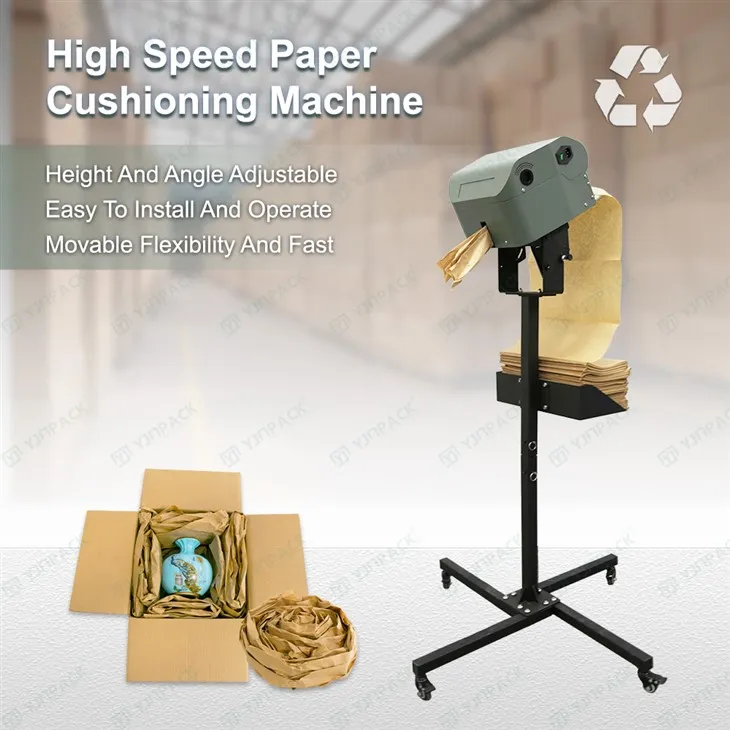
To address the bulkiness and storage issues, you can invest in Paper Void Fill Cushion Machines. These machines can produce paper void fill on - demand, reducing the need for large - scale storage. The Kraft Paper Void Fill Machine is another option that can create high - quality paper void fill efficiently.
To protect against moisture, you can use moisture - resistant paper or apply a waterproof coating to the paper void fill. You can also include desiccant packs in the package to absorb any excess moisture.
If aesthetic appeal is a concern, you can choose to use colored or printed paper void fill. Some suppliers offer paper void fill with branded logos or patterns, which can enhance the overall look of the packaging.
For customization, you can explore the Paper Bubble Wrap Machine. This machine can create paper bubble wrap that can be cut and shaped to fit your products more precisely.
Conclusion
In conclusion, while paper void fill has its limitations, it's still a viable and popular packaging option, especially for its eco - friendly and cost - effective nature. By being aware of its drawbacks and taking steps to address them, you can make the most of paper void fill in your packaging operations.
If you're interested in learning more about our paper void fill products or discussing how to overcome these limitations in your specific packaging needs, I encourage you to reach out. We're here to help you find the best packaging solutions for your business.
References
- Packaging Industry Reports
- Internal research and customer feedback from our company